


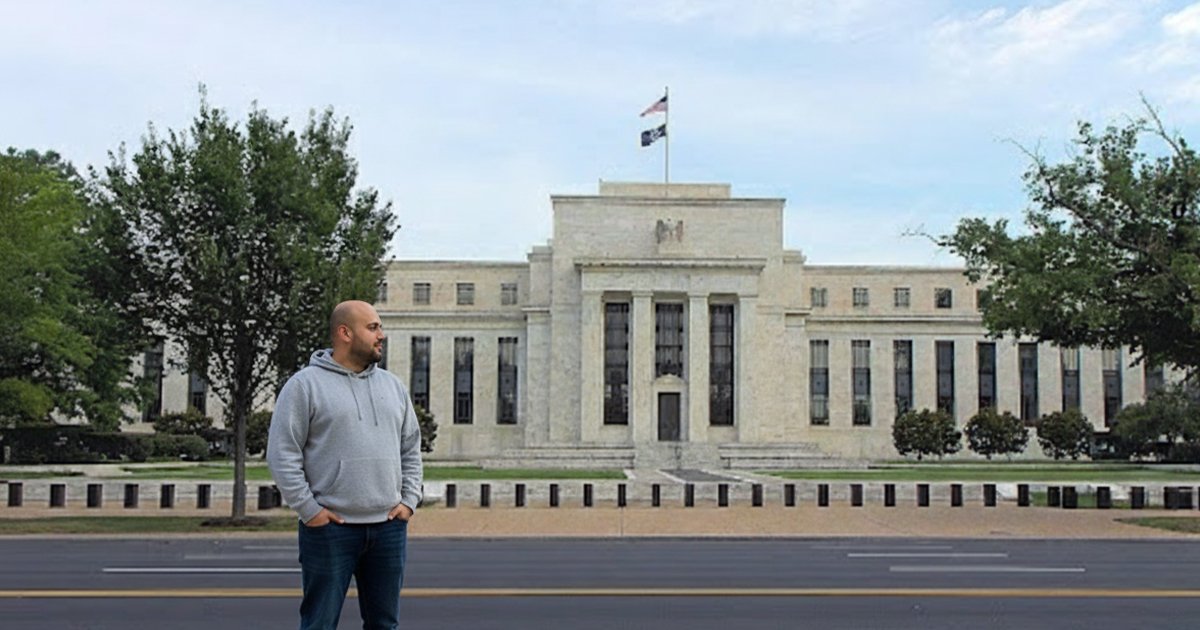
What Did the Fed Actually Do?
Last week, the U.S. Federal Reserve delivered exactly what traders had been pricing in for weeks — a 0.25% interest rate cut, bringing the target range down to 3.75–4.00%.
But as always, the move itself isn’t the full story — the real insight came from Powell’s tone during the press conference. The Fed Chair made it clear:
“This cut doesn’t guarantee further easing.”
That single line flipped the tone of the markets from celebration to caution.
Why Did the Fed Cut Rates?
The U.S. economy is sending mixed signals:
The labor market is cooling slightly, yet inflation remains stubbornly high.
Business confidence has weakened, but consumer spending hasn’t fully slowed.
Political and fiscal uncertainty — plus a partial government data blackout — added pressure for a risk-management cut.
In short, the Fed is walking a tightrope: it wants to support growth without fueling inflation again.
Market Reaction: Reality vs. Expectations
If you trade Forex, you already know — markets rarely move in straight lines.
After the announcement, the U.S. dollar strengthened, surprising many who expected a drop. Why? Because the market had already priced in the cut, and Powell’s cautious stance suggested fewer cuts ahead.
Here’s how the major pairs moved:
EUR/USD: Fell below 1.07 as traders priced in a stronger USD.
GBP/USD: Followed a similar path, pressured by risk aversion.
USD/JPY: Jumped higher — the interest rate differential remains the key driver.
Gold (XAU/USD): Declined as the stronger dollar weighed on safe-haven demand.
In short, the market read the decision as “less dovish than expected.”
A Trader’s Interpretation
From my perspective, this isn’t the end of a cycle — it’s a turning point.
The Fed sent a subtle message:
“We cut because we can, not because we’re scared.”
That means the next few weeks will be data-driven and highly sensitive to macro releases:
Employment (NFP), inflation (CPI), and consumer confidence will all matter.
The USD’s momentum will depend more on expectations than actual policy moves.
Volatility will stay elevated, especially in dollar pairs and commodities.
Trading Takeaways
Don’t trade the headline — trade the reaction.
The rate cut was priced in. What moved the markets was the tone and expectation reset.Watch the Fed speakers and upcoming data.
Any hint of weakness in employment could reopen the door for another cut.Stay flexible with position sizing.
The next few weeks could bring fake breakouts and whipsaws — avoid overexposure.Track correlations.
A stronger dollar can pressure gold, cryptocurrencies, and emerging market assets.Remember sentiment drives trends.
When traders are uncertain, the dollar often regains strength.
Final Thoughts
The Fed’s latest move was a measured, not desperate, response.
Markets reacted accordingly — less excitement, more recalibration.
As traders, this is where discipline and interpretation matter most.
I always say:
“When everyone’s celebrating, I observe. When everyone doubts, I plan.”
Because successful trading isn’t about predicting headlines —
it’s about reading between the lines.
And right now, the message is clear:
Cheap money isn’t back… yet.
Want to Understand Forex Beyond the Article?
Join the Nexa Level X community and explore forex insights, trader perspectives and market discussions built around discipline, risk awareness and smarter decisions.