

A Political Event That Reshaped Market Sentiment
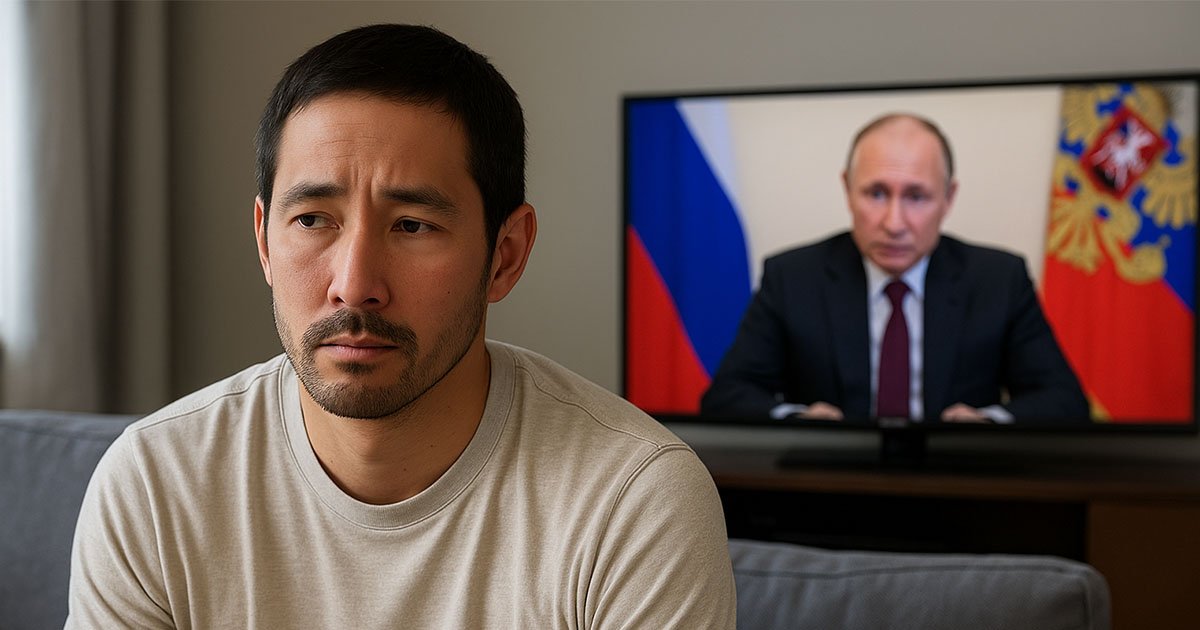
Between March 20–22, 2023, the world watched closely as Chinese President Xi Jinping visited Moscow to meet Russian President Vladimir Putin.
The summit resulted in a series of strategic agreements covering trade, logistics, technology, and energy cooperation through 2030.
While officially framed as an effort to strengthen “peace and development,” the meeting sent strong signals to global markets: a possible realignment of global economic power, greater independence from Western financial systems, and an intensified competition between trade blocs.
Immediate Market Reactions
The forex market responded almost instantly.
The U.S. dollar index dipped slightly as traders assessed the potential shift in energy trade settlements away from USD.
Chinese yuan (CNY) gained ground against major currencies, reaching its strongest level in three months.
Commodity currencies such as the AUD and CAD showed mild volatility amid expectations of rising demand for raw materials from Asia.
Meanwhile, the EUR/USD pair traded with increased caution — Europe’s energy exposure and geopolitical proximity kept investors wary.
Expert Commentary — Kaito Müller, Nexa Level X
“The Xi–Putin meeting in March 2023 was more than diplomacy,” explains Kaito Müller, senior forex trader at Nexa Level X.
“It reminded markets that currencies don’t move only on inflation or interest rates — they move on alliances and perception of global power balance.”
According to Müller, the short-term volatility opened profitable opportunities for disciplined traders:
“When markets overreact to political news, patient traders win.
I focused on the USD/CNH pair and short-term setups on EUR/JPY, both offering clean momentum trades driven by emotion rather than fundamentals.”
Müller’s calm, data-driven approach allowed him to navigate the event profitably while many retail traders were caught chasing headlines.
How the Summit Shaped Broader Market Trends
Energy and Commodities
The talks reinforced expectations that China could increase imports of Russian oil and gas using currencies other than USD — potentially reshaping global energy settlements.Forex Diversification
Central banks in Asia and the Middle East began diversifying their reserves more aggressively, boosting demand for gold and alternative currencies.Safe-Haven Flows
Gold and the Japanese yen strengthened briefly, as investors sought safety amid geopolitical uncertainty.Crypto as a Parallel Hedge
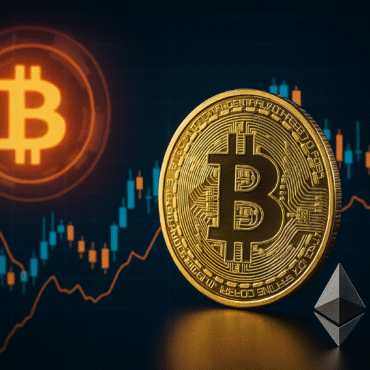
Bitcoin and Ethereum saw a mild uptick in volume, reflecting growing interest in non-sovereign assets during periods of political tension.
Long-Term Outlook
“The summit was a reminder that markets are global chessboards,” says Müller.
“Every handshake between leaders can shift billions in capital flows.”
He predicts that geopolitical factors will remain a key driver in 2023 and 2024, influencing how currencies align with new trade blocs and energy strategies.
For professional traders, this means one thing — adaptability is the new edge.