


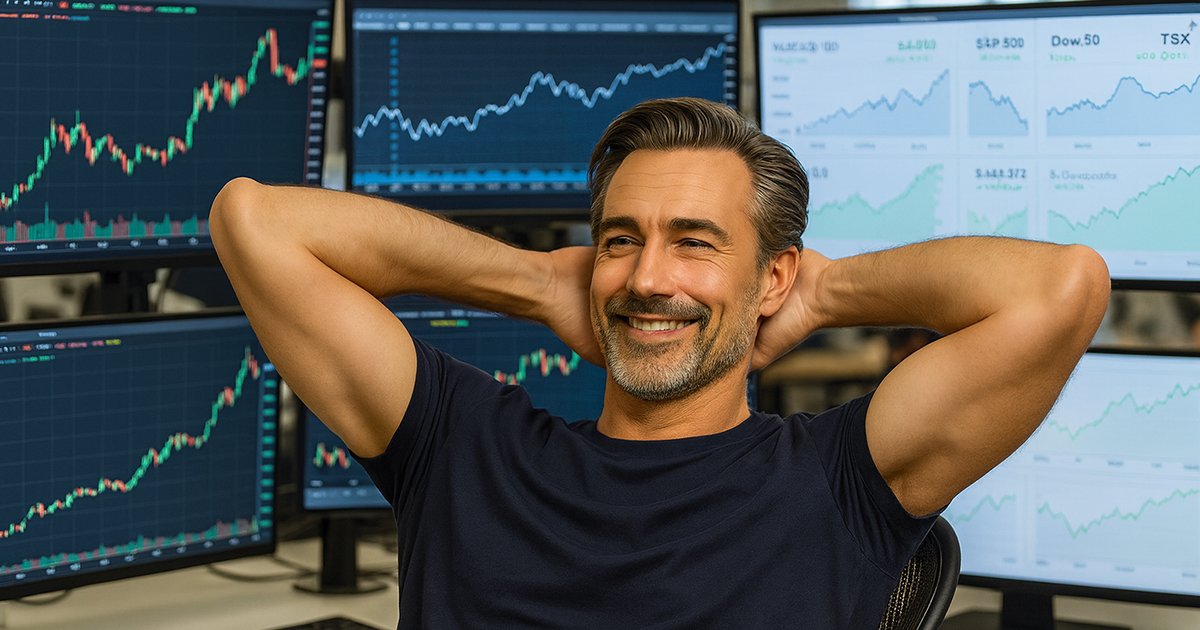
The Decision Every Young Investor Faces
If you’re between 18 and 35 and starting your investment journey, you’ve probably already run into the big dilemma:
Should I invest actively… or should I go passive?
Both options sound good. Both appear in YouTube advice, TikTok videos, podcasts and financial blogs.
But the truth is this:
each strategy works for different types of people, different lifestyles, and different goals.
As a Forex trader who has mentored young people for years, I, Doug Marriott, want to make this choice simple, honest and practical — without hype, without unrealistic promises, and without boring textbook definitions.
Let’s get into it.
What Active Investing Really Means
Active investing means you are in the driver’s seat.
You choose what to buy, when to sell, and how much risk to take. It’s dynamic, fast, and personal.
Typical forms of active investing:
Trading Forex
Buying and selling individual stocks
Crypto trading
Day trading, swing trading or scalping
Actively managed portfolios
Advantages:
✔️ Potential for higher returns
✔️ You control your positions
✔️ You learn fast and develop real market skills
✔️ Exciting, engaging and full of opportunities
Disadvantages:
❌ Requires time, discipline and emotional control
❌ Risk of losing money if you lack experience
❌ Easy to get caught in hype or fear
Summary:
Active investing can outperform the market — but only if you’re willing to study, practice and stay disciplined.
What Passive Investing Really Is
Passive investing is the opposite energy.
It’s relaxed, long-term, calm and low-effort.
Common passive investments:
ETFs (like S&P 500, Nasdaq 100)
Index funds
Automated investment plans (DCA monthly contributions)
Advantages:
✔️ Low stress
✔️ Requires almost no maintenance
✔️ Historically strong returns (7–10% annually)
✔️ Less emotional decision-making
✔️ Perfect for long-term wealth building
Disadvantages:
❌ Slow growth compared to active strategies
❌ Less control
❌ Hard to “feel” involved — you just wait
Summary:
Passive investing is ideal for people who want stable, predictable growth without spending hours studying charts.
Active vs Passive: A Realistic Comparison
1️⃣ Time & Effort
Active: high effort, constant learning
Passive: minimal effort, set-and-forget
2️⃣ Potential Returns
Active: can be higher, but not guaranteed
Passive: historically reliable
3️⃣ Risk
Active: medium to high, depending on skill
Passive: low to medium
4️⃣ Psychology
Active: need discipline, resilience
Passive: need patience
“80% of people are better off investing passively.
The other 20% — those who love learning, analysing and improving — can thrive with active investing.”
The reality is:
Not everyone is built for the emotional ups and downs of active investing.
And not everyone has the patience needed for passive investing.
The best strategy is the one that matches who you are.
What Works Best for Young People?
Young investors in Spain today want three things:
Growth
Flexibility
Low stress
The solution that works for most?
A MIXED STRATEGY
The smart structure looks like this:
▶️ 70–80% Passive (foundation)
ETF del S&P 500, MSCI World, Nasdaq 100…
This quietly builds your long-term wealth.
▶️ 20–30% Active (opportunity)
Forex, crypto, stocks you personally believe in.
This helps you learn, improve and aim for higher returns.
This combination gives you:
Stability
Learning experience
Controlled risk
Space to grow and experiment
How to Know Which Strategy Fits You Better
Ask yourself these three questions:
1. Do you enjoy the markets?
If yes → active trading might suit you.
If no → passive investing is your best friend.
2. Do you have at least 30–60 minutes a day?
If yes → you can study, analyze and build active skills.
3. What’s your stress tolerance?
If low → avoid active trading.
If high → consider it.
The Truth Nobody Tells You
You don’t have to choose only one strategy.
Most successful young investors combine both.
Passive investing builds your wealth.
Active investing builds your skills.
And the skills you build today…
might be worth more than the profits you make tomorrow.
Whether you choose active investing, passive investing, or a mix of both, the most important thing is simple:
👉 Start.
👉 Stay consistent.
👉 Keep learning.
The earlier you begin, the more your future self will thank you.
Doug Marriott
Professional Forex Trader
Nexa Level X