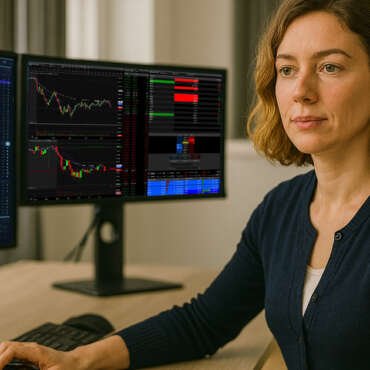



Investing isn’t just about numbers, charts, and analysis — it’s also about emotions.
Fear, greed, and impatience often drive investors to make costly mistakes. Understanding the psychology of investing can help you stay rational, especially during major market swings.
In this article, we’ll explore the key emotional traps that affect investors and how to overcome them with discipline and mindset.
Why Emotions Matter in Investing
Financial markets are influenced as much by human behavior as by economic data. When prices rise, optimism and greed push people to buy at the top; when prices fall, fear makes them sell at the bottom.
This cycle — known as emotional investing — can destroy long-term returns. Successful investors understand that controlling emotions is just as important as picking the right stocks or assets.
Common Emotional Traps for Investors
1. Fear of Losing Money
During market downturns, fear can trigger panic selling. Investors often exit too soon, missing potential rebounds.
Solution: Focus on long-term goals, not short-term volatility. Review your risk tolerance and stick to your strategy.
2. Greed and Overconfidence
When markets perform well, greed can lead to excessive risk-taking or unrealistic expectations.
Solution: Stay grounded. Take profits when appropriate and remember — markets move in cycles.
3. Herd Mentality
Many investors follow the crowd, buying assets simply because “everyone else is doing it.”
Solution: Base decisions on analysis, not trends. If something sounds too good to be true, it probably is.
4. Loss Aversion
People feel losses more strongly than equivalent gains, which can cause them to hold onto losing investments for too long.
Solution: Accept that losses are part of investing. Focus on probabilities and data, not emotions.
5. Impatience and FOMO (Fear of Missing Out)
Seeing others profit quickly can tempt investors to chase short-term gains.
Solution: Remember that sustainable wealth takes time. Avoid impulsive trades driven by hype.
How to Build Emotional Discipline
✅ Have a written investment plan: Define your goals, time horizon, and risk limits.
✅ Diversify your portfolio: Spreading risk helps reduce anxiety during volatile periods.
✅ Avoid checking the market constantly: Frequent monitoring amplifies emotional reactions.
✅ Reframe volatility: View it as opportunity, not threat.
✅ Continue learning: Understanding market psychology improves long-term confidence.
The Investor’s Mindset
The best investors are not those who predict the market perfectly, but those who can stay calm when others panic. Emotional resilience separates consistent investors from impulsive traders.
Building emotional control takes time, but it’s one of the most valuable skills you can develop in your financial journey.
👉 At Inversión Sin Trampa, we teach you to think like a professional investor — calm, strategic, and free from emotional traps.