


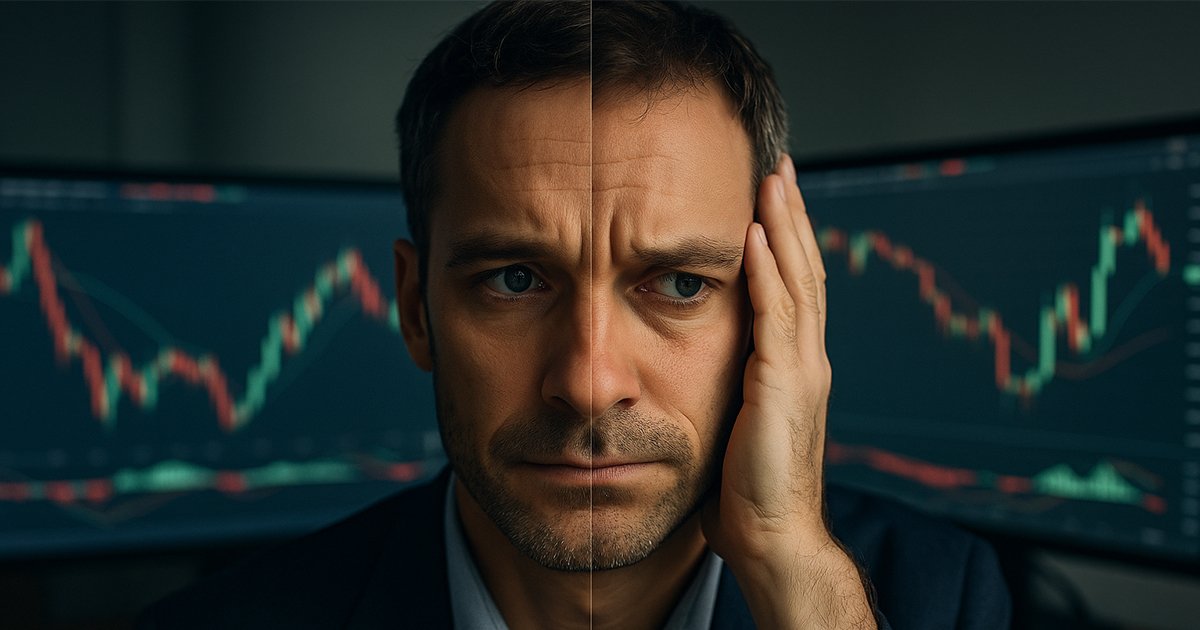
Many young Nigerians meet the financial world through trading first. Forex, crypto, signals, charts and screenshots are everywhere. Trading looks exciting because it feels fast. Investing looks slower, less dramatic and sometimes boring.
But the right question is not, “Which one can make money faster?” The better question is, “Which one can I understand, manage and survive if things go wrong?”
That question matters because trading and investing are not the same.
Trading is faster, but riskier for beginners
Trading means buying and selling assets over a shorter period to benefit from price movement. It can happen in forex, crypto, stocks, commodities or indices.
The advantage is speed. A trader can react to news, volatility and short-term opportunities. The danger is also speed. Fast movement creates pressure, and pressure exposes weak discipline.
Many beginners lose because they enter trading before they understand risk. They follow signals, overtrade, increase lot size after one win and panic after one loss. Without structure, trading quickly becomes gambling with charts.
Trading can work, but it is not casual money. It requires rules, emotional control and capital you can afford to risk.
Investing is slower, but better for building a base
Investing means putting money into assets with a longer-term view. Instead of chasing every price move, an investor focuses on growth, value, income or protection over time.
For beginners, investing is often a better starting point because it teaches patience and planning. You do not need to react to every candle. You have more time to learn, compare options and understand what you are doing.
Investing is not risk-free. Bad assets, scams and poor timing can still damage you. But it is usually easier to build around because it rewards structure more than speed.
The real mistake beginners make
The mistake is choosing trading because it looks faster, not because you are ready.
If you do not have emergency money, if you panic after losses, if you do not understand risk, and if you are still chasing online hype, trading should not be your first serious financial move.
Start by understanding money, saving, risk, assets and long-term planning. Then trading can become a skill you develop — not a desperate shortcut.
So which one should you start with?
For most beginners, investing should come first. Trading can come later.
Investing builds the foundation. Trading tests the foundation.
That does not mean you must avoid trading forever. It means you should not enter it blindly. Start small, learn first, manage risk and never trade with money needed for rent, food, school fees or family responsibilities.
The smart path is not trading only or investing only. The smart path is knowing the purpose of each.
The Nexa Level X view
Nexa Level X is not built to push beginners into blind trading. The goal is financial intelligence first.
Risk before reward. Discipline before profit. Education before execution. Community before isolation. Financial intelligence before lifestyle.
A beginner should not ask only, “Where can I make money?” A better question is, “What am I ready for, what do I understand and what risk can I survive?”
Final thought
Trading is faster, but harder. Investing is slower, but usually better for building your base.
If you are a beginner in Nigeria, start with what makes you stronger, not what looks louder online. Learn how money works. Understand risk. Build discipline. Then choose your next move with a clear head.
Join Nexa Level X and learn how to build financial intelligence before you risk serious capital.
Start with Clarity, Not Pressure
Trading and investing can both play a role, but beginners need structure before risking money.
Join Nexa Level X and learn how to understand markets, manage risk and build smarter financial decisions.
For most beginners, investing is a better starting point because it teaches patience, planning and long-term thinking.
Yes, but only with education, small risk and clear rules. Never trade with money needed for basic living costs.
No. Investing also carries risk, but it usually gives beginners more time to think and build a plan.
Start with money management and investing basics. Trading can come later when you understand risk and can afford losses.